

Early
Childhood
Our teachers prepare children for elementary school by alternating between free play and group activities, such as watercolor painting, baking, storytelling, and beeswax modeling.
Tamarack offers several options for our early childhood program. Children must be age 4 on or before May 31 to enroll.
Five Full Days: (8:00-3:25 Mon-Fri)
Three Full Days: (8:00-3:25 Mon, Wed, Fri)
Five Mornings: (8:00-12:30 Mon-Fri)
Three Mornings: (8:00-12:30 Mon, Wed, Fri)
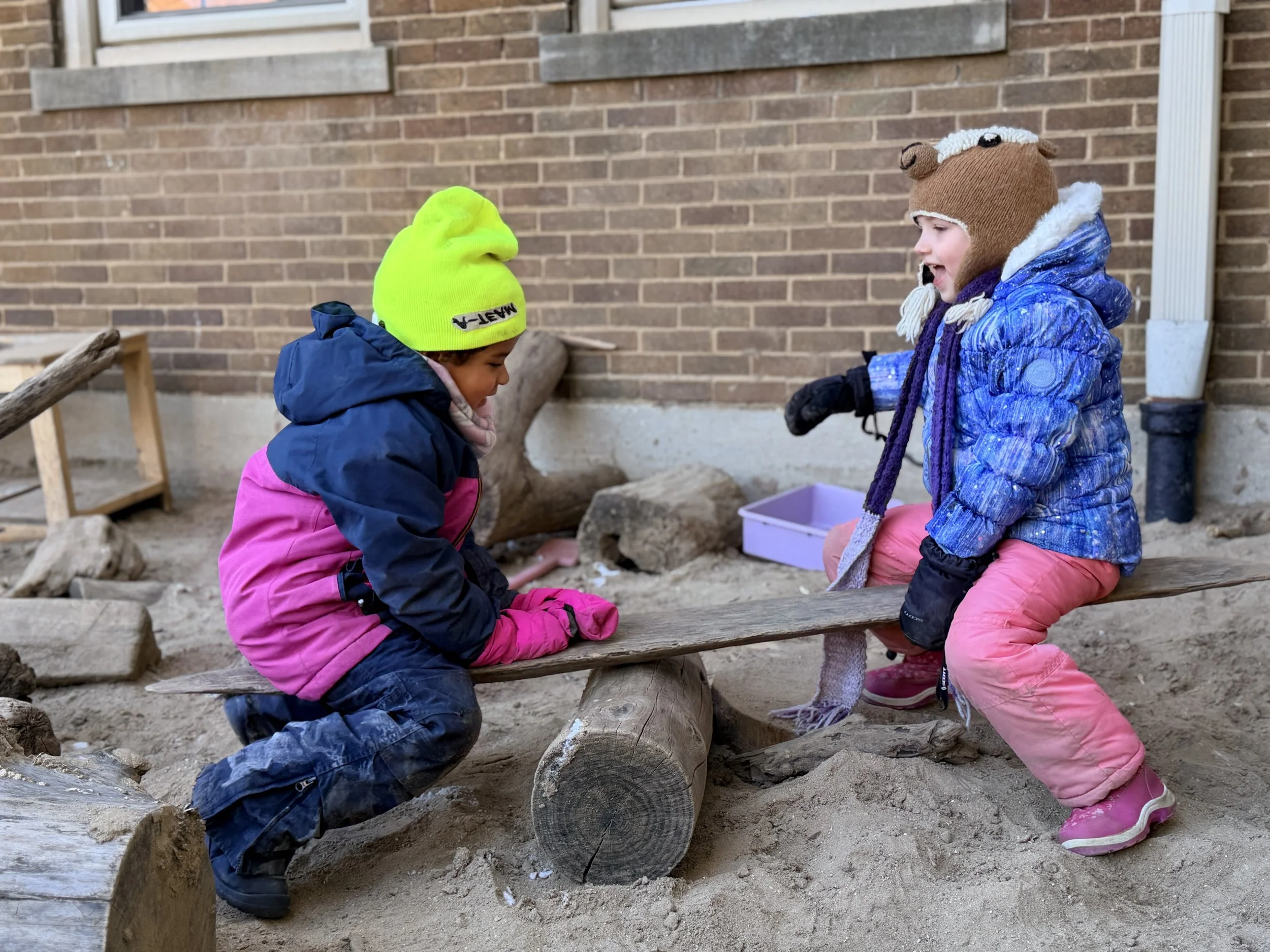
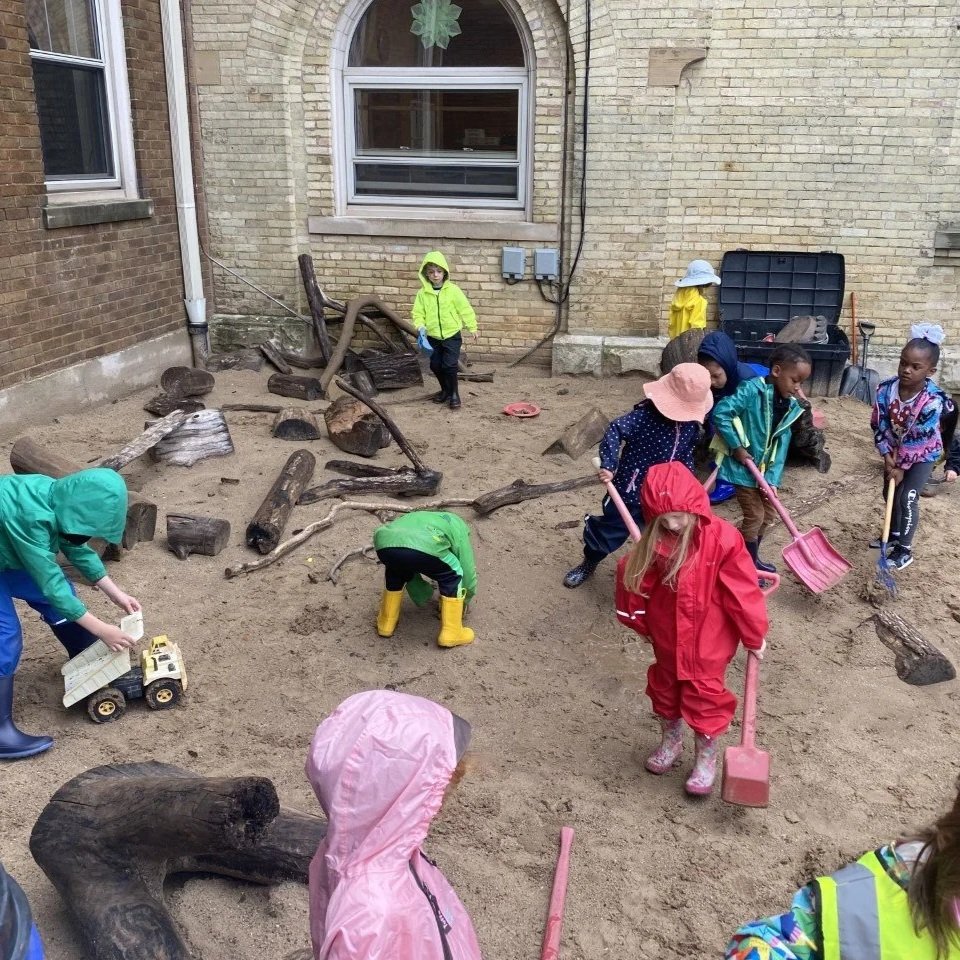
We work to create rhythm within our daily activities.
Our daily rhythm weaves together a rich variety of experiences—music and verse, movement and storytelling—alongside meaningful hands-on work such as gardening, cooking, and sewing, as well as artistic expression through drawing, modeling, and painting.
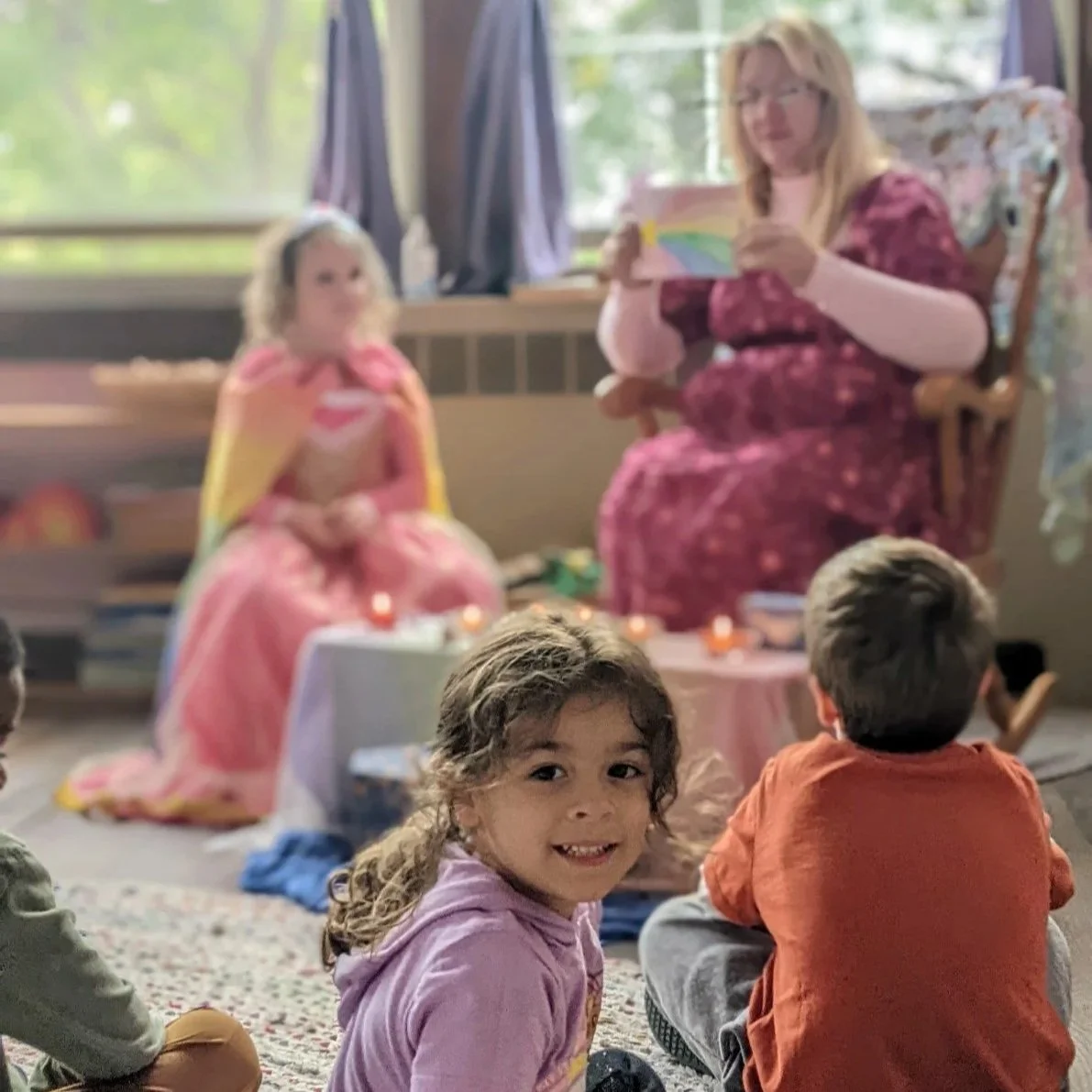
We strive for a space that inspires creative play.
Young children learn best through imitation. We thoughtfully provide natural materials that nurture the senses and awaken the imagination. By fostering imaginative play, we lay the foundation for strong intellectual growth and meaningful connections in the years to come. Read more on the power of imagination, or watch a video on caring environments.
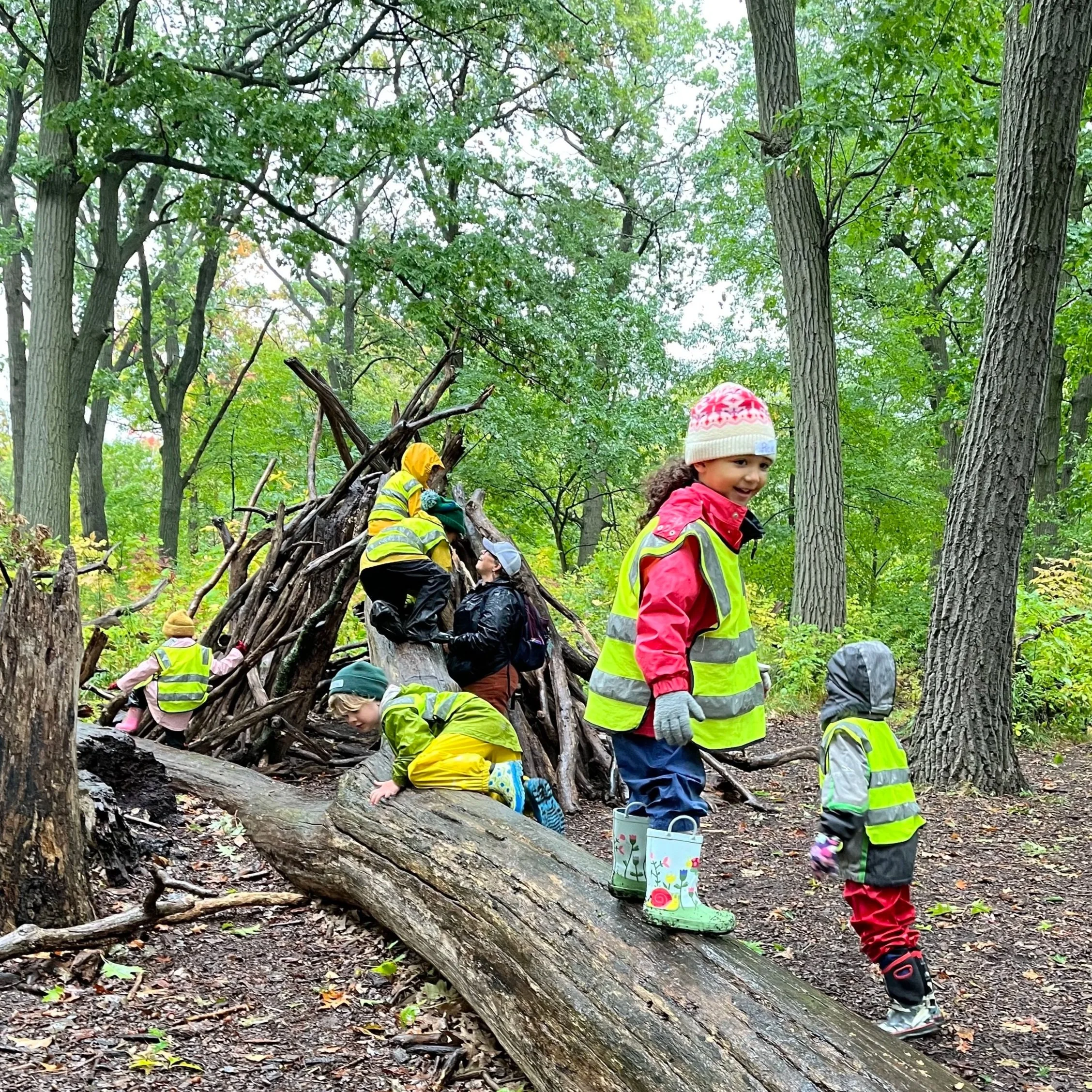
Play is a foundation of our early childhood program.
Play is not purely fun. Evidence shows that play help activate necessary skills for social, emotional and academic development. When children have time and space for immersive, creative play, they have opportunities for limitless discovery. Learn more about the importance of play here.
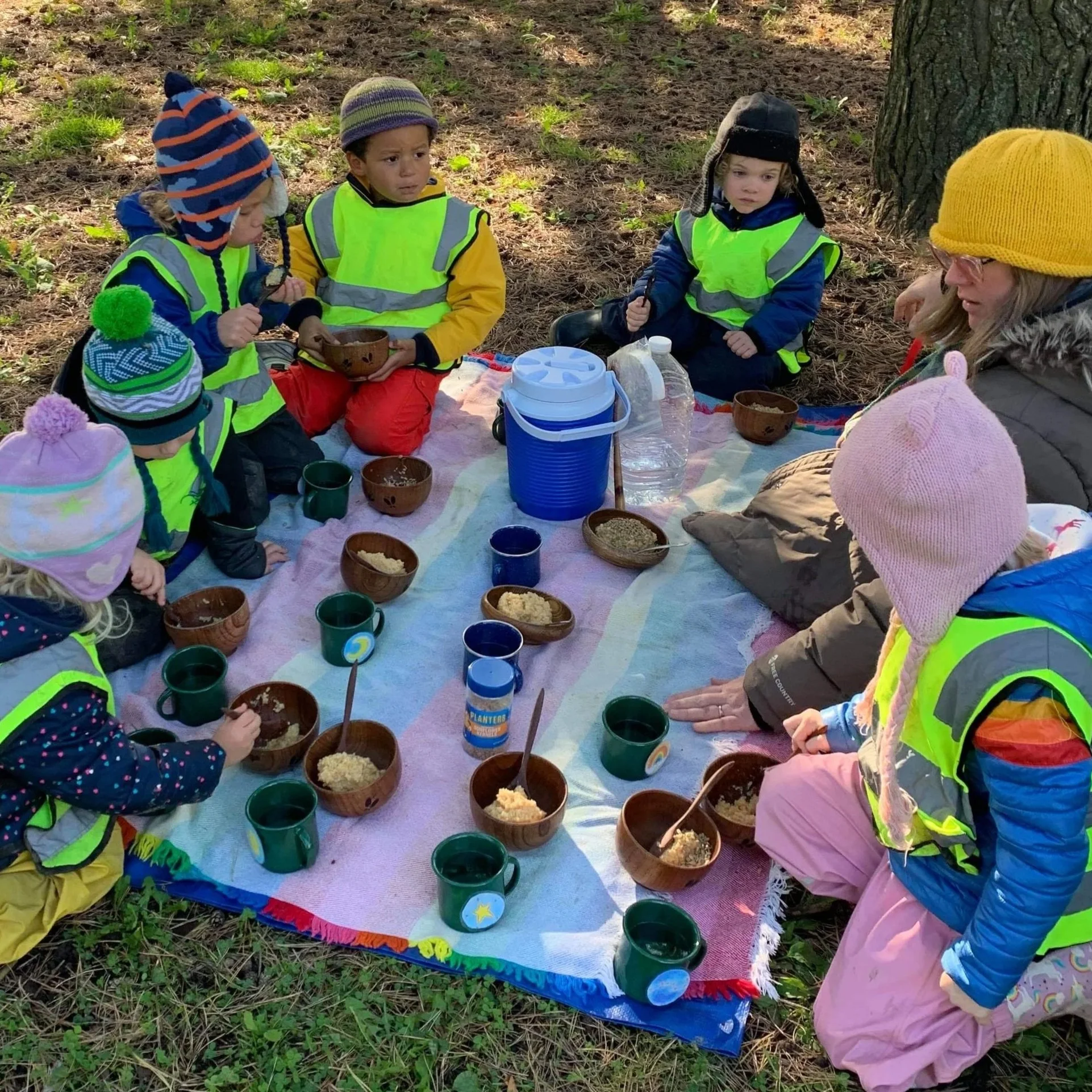
Preparing meals is built into the daily experience.
Often, class teachers will have a weekly rotation to the snacks and meals. Our early childhood teacher, Teacher Halle, and former teachers, Ms. Faith and Ms. Monica, recorded a conversation about cooking and baking in the Waldorf early childhood classroom. Listen here to their conversation.
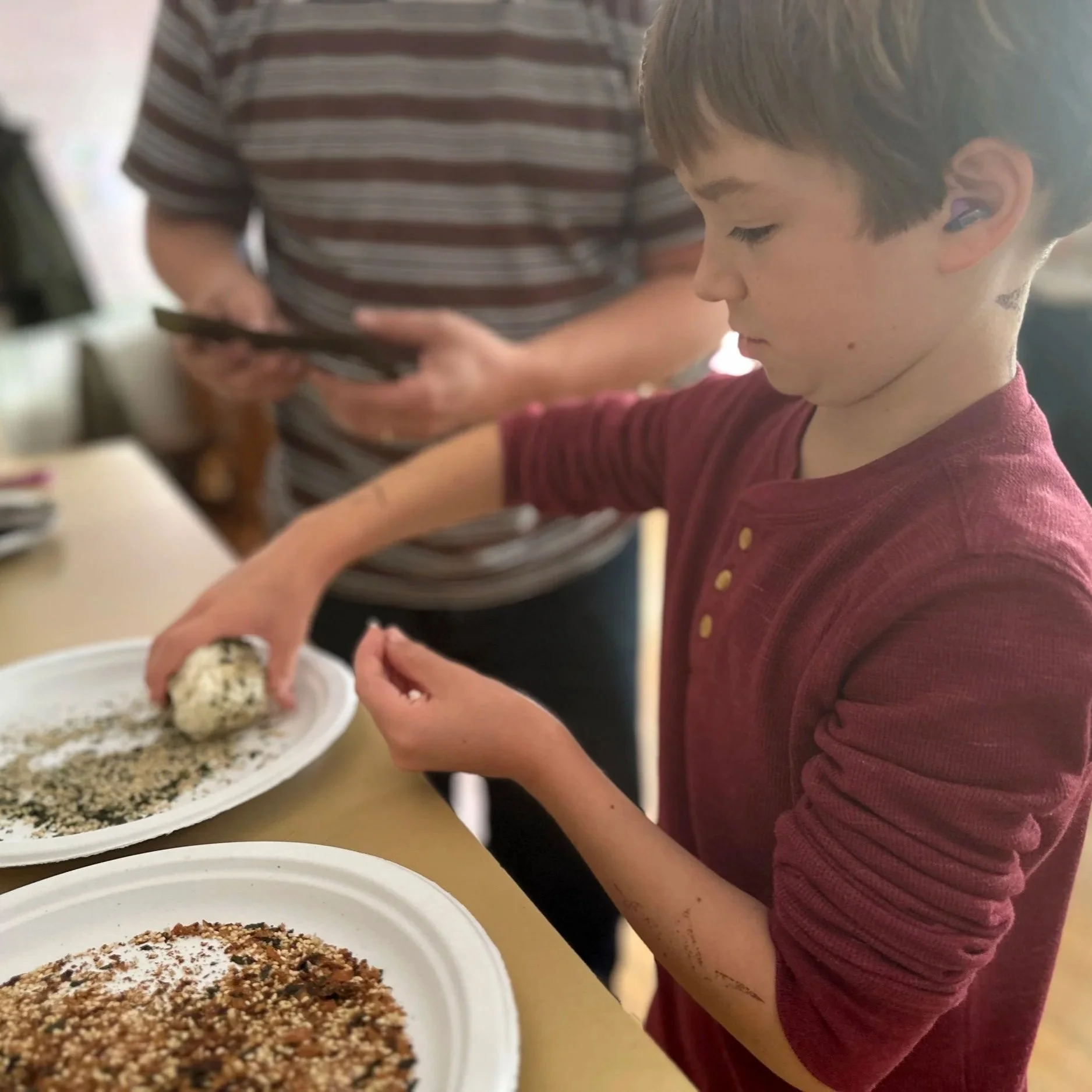
A key part of each day is work and self-care.
Children learn important life skills such as tidying up, setting the table, cleaning up after meals, mending, folding, putting on and taking off of outside clothing. This helps them seem themselves as active participants in their community and allows them to feel more independent. This video talks about incorporating real life activities into the classroom.
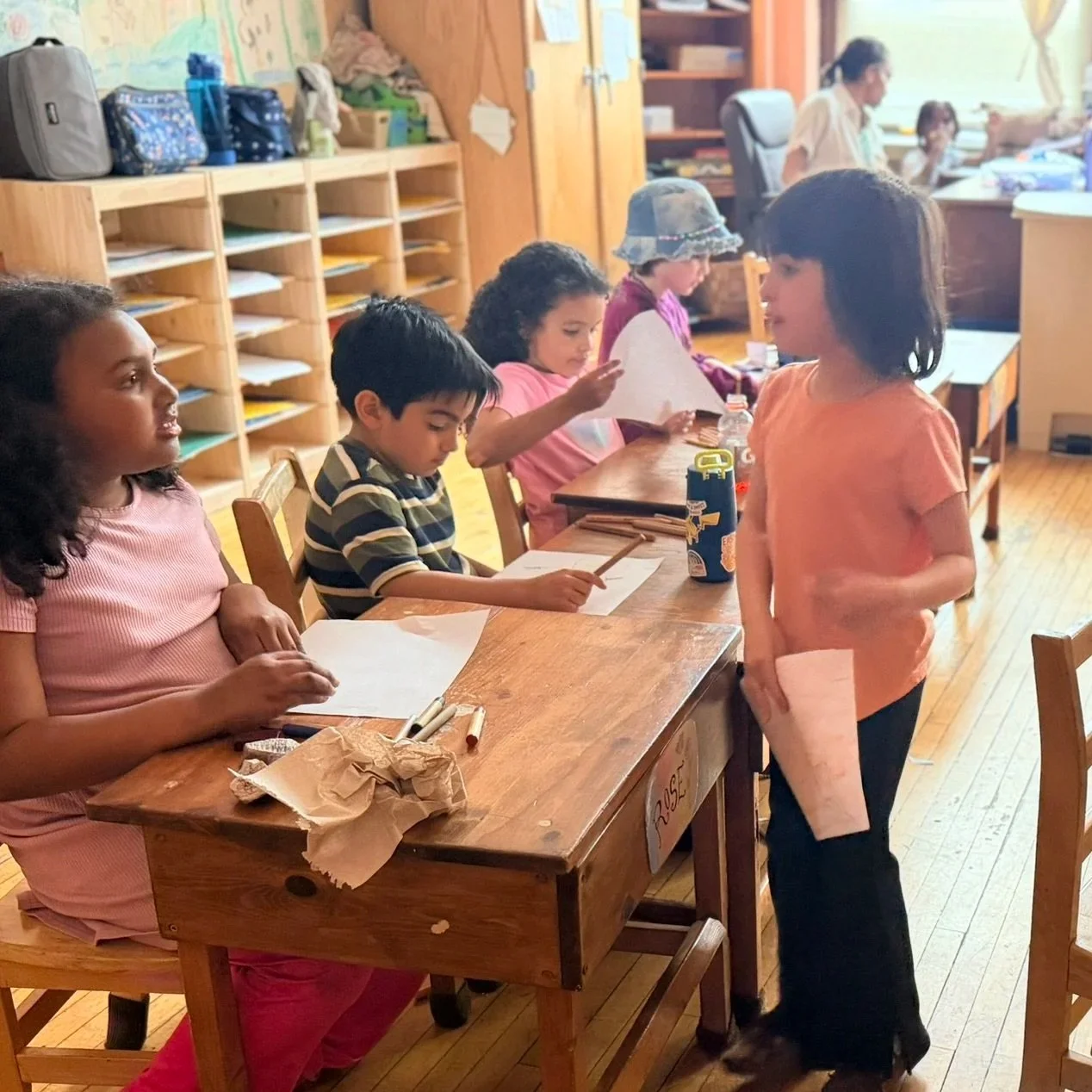
But what about the academics?
In Waldorf schools, the early childhood classroom is a place of exploration and discovery, where children build social and emotional skills. As they learn how they fit into their world and how to relate to others, they develop the foundation needed for later academic success. A growing body of research supports delaying formal academic instruction until around age seven. The following article offers insight into this approach.